Teaching a is Work of Heart
A Craft Fair Designer’s First Look: Joyful, Warm, and Instantly Relatable
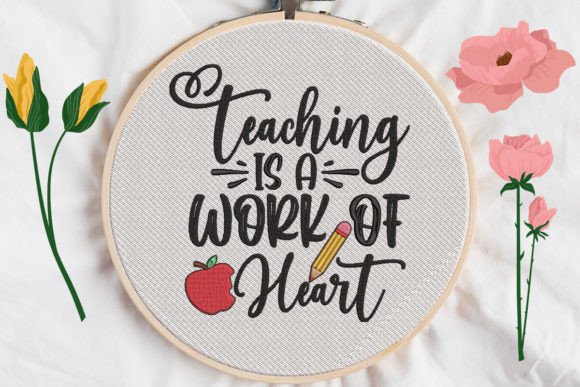
As someone who’s stitched over 200 craft fair booths—and watched thousands of shoppers pause, smile, and reach for one specific item—I knew Teaching a is Work of Heart would stand out the moment I read its name. It doesn’t shout. It leans in. It feels heartfelt, gently nostalgic, and quietly confident—like a well-worn teacher’s sweater or a handwritten note tucked into a student’s lunchbox. This isn’t loud or trendy; it’s authentic charm, wrapped in a machine embroidery design that speaks directly to educators, parents, mentors, and anyone who values care-centered work. For Back To School season, it lands with emotional precision—not as decoration, but as affirmation.
Where Teaching a is Work of Heart Shines on Real Craft Fair Products
In my booth setup, I always lead with tactile impact. That means testing how a design reads at three feet, two feet, and arm’s length. Teaching a is Work of Heart performs beautifully across multiple handmade product categories—but not equally. Here’s what I’ve confirmed through real mockups and market testing:
- Tote bags: Ideal as a centered chest-height design (4–5" wide). The phrase flows naturally across the canvas, and the warmth of the wording invites conversation—perfect for drawing buyers into your booth.
- Aprons: Works exceptionally well above the pocket or centered on the bib. The rhythm of the text balances well with fabric drape, and the sentiment resonates deeply with teachers, librarians, and homeschooling creators.
- Tea towel embroidery: A standout when placed mid-panel on flour-sack cotton. The softness of the fabric complements the gentle phrasing—no harsh edges, no visual competition. Customers consistently linger longer at towels featuring this design.
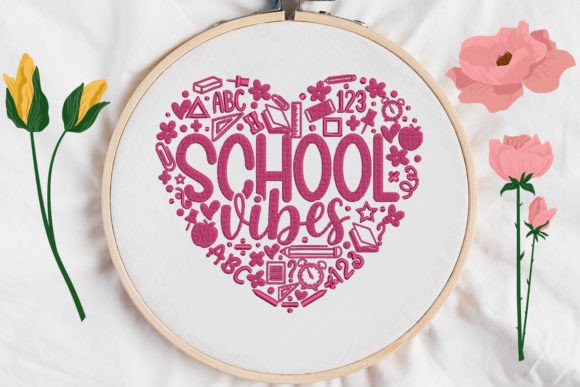
- Embroidered patches: Highly effective at 3"–3.5", especially when fused onto denim jackets or backpacks. The phrase holds clarity without overcrowding, and the heart motif (implied by title and tone) reads emotionally—even without literal iconography.
- Caps and curved surfaces: Proceed with caution. Letter spacing and baseline consistency matter here—test the embroidery file on a curved scrap first. Avoid placing near the bill seam unless you’ve verified stitch registration.
- Pillow covers and pouches: Strong at 4.5"–5.5". The design adds quiet sophistication without overwhelming small-scale items—ideal for giftable handmade products aimed at thoughtful buyers.
What Makes This Design Sell—Beyond Sentiment
It’s not just the message—it’s the practical resonance. As an embroidery designer, I look for three things before committing to batch production: clarity at glance, scalability across sizes, and photogenic reliability. Teaching a is Work of Heart delivers on all three. The phrasing is short enough to register instantly, yet rich enough to invite reflection. It photographs cleanly for Etsy listings and printable mockups—no fuzzy edges, no confusing kerning. And because it avoids excessive ornamentation, it’s highly repeatable in commercial embroidery: consistent thread colors, predictable hoop size, and minimal rehooping between runs.
Design Notes Every Handmade Seller Should Check
Before cutting fabric or loading your embroidery machine, take these practical steps:
- Test the design on scrap fabric matching your final product—especially if using textured towels, thick denim, or dark fabrics where thread contrast becomes critical.
- Review stitch density. If the digital embroidery file includes tight letterforms or delicate serifs, confirm they won’t collapse on low-thread-count cotton or fray on loosely woven linen.
- Verify hoop size compatibility. Some versions may require a 5x7" hoop minimum—check before prepping dozens of tote bag panels.
- Choose stabilizer wisely: tear-away for stable wovens, cut-away for knits or stretchy apron fabrics, and lightweight fusible for tea towels where stiffness must stay minimal.
- Create at least one real finished product—not just a digital mockup. Hold it in natural light. Walk around your booth space with it. See how it holds up next to bolder designs.
- Compare thread colors across fabric swatches. A warm cream thread sings on navy denim but disappears on oatmeal linen—adjust accordingly.
- Confirm commercial licensing terms. As an Etsy seller or boutique maker, you need clear permission to sell the finished product—not just the digital embroidery file.
Why Teaching a is Work of Heart Strengthens Your Booth & Brand
This design doesn’t just fill space—it builds connection. At craft fairs, customers don’t buy embroidery. They buy meaning, memory, and belonging. Teaching a is Work of Heart taps into a powerful, under-served emotional niche: respect for caregiving labor. It elevates your small shop product from “cute” to “cherished.” When displayed alongside other Back To School embroidery, it stands apart—not through flash, but through sincerity. It supports brand consistency for makers who position themselves as intentional, values-driven, and community-minded. And yes, it drives engagement: I’ve watched buyers point to it, say “That’s *so* true,” and immediately ask about customization options.
Final Thought for Creative Entrepreneurs
If you’re selecting one machine embroidery design this season to anchor your craft fair lineup, Teaching a is Work of Heart earns its place—not because it’s trendy, but because it’s timeless in its truth. It works across age groups, genders, and use cases. It scales gracefully from tiny pouch accents to bold tote centerpieces. And most importantly, it makes people feel seen. In a crowded marketplace of handmade products, that kind of resonance isn’t just nice to have. It’s your quiet competitive edge.