Back to School Color Apple
A Whimsical Apple That Actually Works on Real Fabric
As someone who’s stitched hundreds of school-themed designs for Etsy sellers, boutique owners, and custom apparel clients, I opened Back to School Color Apple expecting charm—and found something more: a design that balances playfulness with embroidery practicality. It’s not just “cute”—it’s built to hold up on a toddler’s sweatshirt, pop on a linen tea towel, or anchor a handmade tote bag without losing its smile.
First Impressions: Friendly, Not Fussy
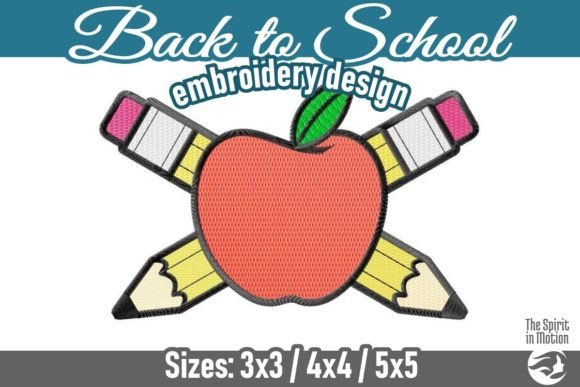
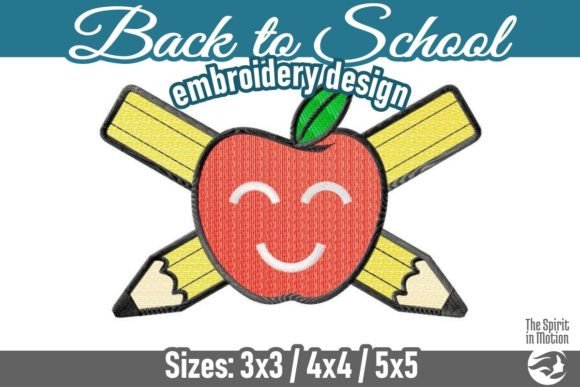
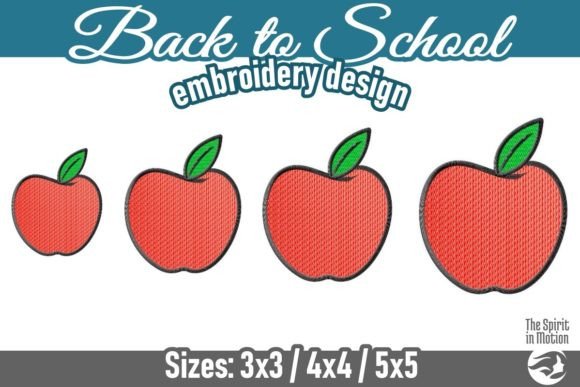
The moment you preview the file, Back to School Color Apple reads as warm and approachable—not overly detailed, not cartoonishly exaggerated. The apple shape is rounded and generous, with soft curves that translate well to satin stitch edges and smooth fill areas. There’s no tiny stem scrollwork or micro-textured leaf veins that beg to vanish in thread. Instead, it uses bold, confident shapes and intentional negative space—making it forgiving on mid-weight cotton, fleece, and even light denim. That matters when you’re stitching 30 identical lunchbox totes for a PTA fundraiser.
Where It Shines (and Where It Needs Thought)
I recently tested Back to School Color Apple on three real projects: a canvas tote for a local teacher supply shop, a cotton-blend baby onesie, and a woven cotton apron for a small-batch kitchen goods brand. Here’s what stood out:
- Tote bags & tea towels: Excellent clarity at 3.5–4 inches wide. The fill stitch coverage is dense enough to feel substantial but not so heavy that it stiffens the fabric. No puckering—even on unlined canvas with tear-away stabilizer.
- Baby embroidery: Worked beautifully on 100% cotton interlock. The smooth contours avoided snagging delicate seams, and the scale stayed legible after washing (tested through five gentle cycles). Just avoid placing it directly over shoulder snaps or fold lines.
- Sweatshirts & fleece: Needed medium-cutaway stabilizer underneath—not because the design is unstable, but because the plush surface can swallow subtle color transitions. Once stabilized, the apple retained its cheerful contrast and didn’t sink into the nap.
Watch These Spots Before You Stitch
Back to School Color Apple isn’t magic—it responds honestly to material choices. Use caution on:
- Curved surfaces like caps or beanies: The round shape helps, but the full-color fill can compress or distort near the crown seam. Test with a mock hoop placement first—or simplify by using only the apple outline + minimal fill if tight space is a concern.
- Dark fabrics: The design relies on bright, saturated fills (reds, greens, yellows) to read clearly. On navy or charcoal, confirm your thread colors have enough brightness contrast. A white or cream background layer (if supported by your machine) lifts it significantly.
- Thin or stretchy knits: Avoid direct application on lightweight jersey or ribbed baby terry without proper cutaway backing. The fill areas can shift during hooping or wear, especially around the apple’s rounded base.
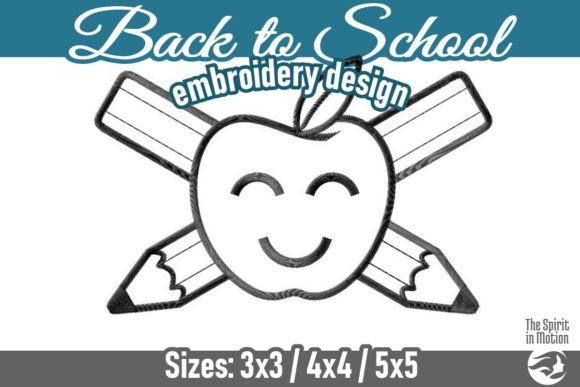
- Small hoops (under 4”): This design scales down cleanly—but below 2.75”, the stem and leaf start to lose definition. If you need tiny versions, check whether the seller offers a simplified variant or consider converting to an outline-only version for patches or labels.
What It Adds to Your Finished Product—Beyond the Obvious
It’s easy to call Back to School Color Apple “adorable.” But as a designer who advises craft businesses on perceived value, I’ll tell you what it actually delivers:
- Customer trust: Its balanced proportions and clean stitch paths signal professionalism—not a rushed clip-art import. Buyers notice that difference in Etsy listings and boutique displays.
- Giftability: Because it avoids dated trends (no glitter fonts, no forced puns), it feels timeless enough for back-to-school, teacher appreciation, or even a “first day of preschool” keepsake pillow cover.
- Brand consistency: Whether you’re embroidering for a Montessori school’s merch line or a homeschool co-op’s swag, this apple reads as joyful but grounded—not cutesy or chaotic.
- Commercial flexibility: As a digital embroidery file, it layers cleanly into larger compositions (think: apple + chalkboard border + student name), works well in printable mockups, and holds up in both color and grayscale previews for social media or wholesale catalogs.
- Run a test stitch on scrap fabric matching your final project’s weight and stretch.
- Check thread color contrast—not just on white, but on your actual base fabric (a yellow apple on oatmeal linen needs warmer thread than on ivory).
- Review stitch density in the leaf and stem areas; if they feel sparse next to the apple body, consider adding one pass of running stitch as a subtle outline for cohesion.
- Verify hoop size compatibility—especially if you’re using multi-needle machines or planning to combine with other designs.
- Confirm licensing terms before selling finished products or bundling the file into digital product kits. Most reputable sellers allow commercial use for physical items, but restrictions vary for resale of the embroidery file itself.
Designer Notes You’ll Actually Use
Before cutting fabric or listing your next batch of embroidered totes, take these five minutes:
Final Thought: It’s Not Just an Apple—It’s a Reliable Design Asset
In my studio, Back to School Color Apple has earned shelf space beside go-to florals and classic monograms—not because it’s flashy, but because it stitches consistently, sells steadily, and makes customers smile without needing explanation. It fits naturally into a craft business’s rhythm: quick to digitize, easy to explain to clients, and versatile enough to grow with your product line—from baby onesies today to teacher lounge aprons next year. That kind of reliability? That’s the quiet value every embroidery designer and small shop owner truly needs.