Grade 4 Split Colored Pencils
First Impressions: A Hand-Drawn Charm That Feels Intentionally Light
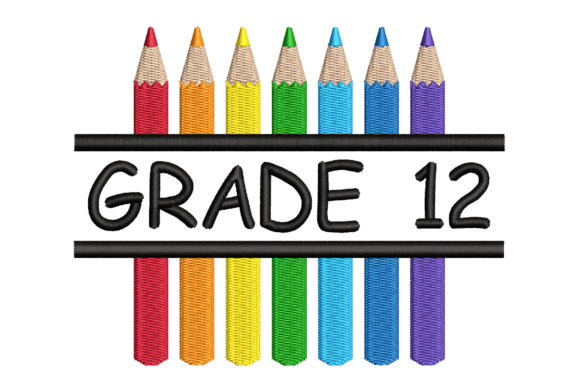
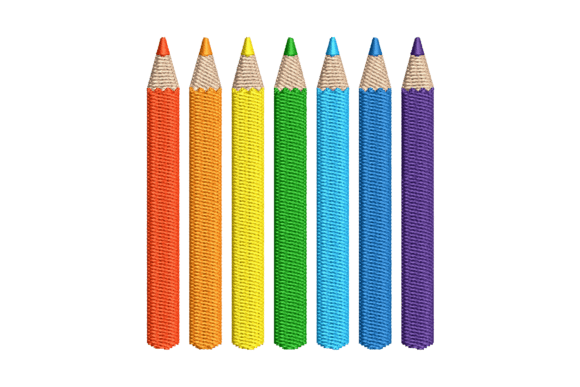
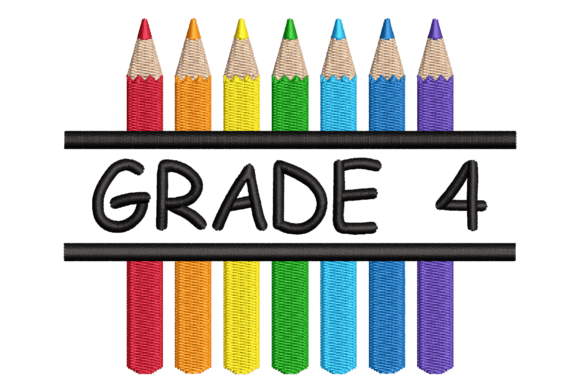
As an embroidery designer who’s stitched over 300 boutique apparel drops, my first reaction to Grade 4 Split Colored Pencils was immediate warmth—like spotting a well-loved sketch in a teacher’s planner. It’s not overly technical or rigid; it leans into the soft confidence of hand-drawn line work. The “split” concept suggests clever visual layering—perhaps two pencils angled apart with complementary color blocks, or one pencil divided mid-shaft into contrasting hues. That subtle asymmetry reads as thoughtful, not accidental. On screen, it feels playful but grounded—neither too juvenile for upper elementary nor too minimal to vanish on fabric. For a Back To School collection, this is gold: it signals readiness without shouting “school supply.” It whispers curiosity, creativity, gentle confidence.
How It Lives on Sweatshirts: Texture, Tone & Placement
This design thrives on neutral sweatshirts—think heather grey, oatmeal, or soft black. The hand-drawn quality gains dimension against fabric texture, especially brushed fleece or loopback cotton. On dark fabric, contrast becomes your quiet ally: opt for bright thread colors like cobalt blue, tangerine, or violet to lift the pencils without looking harsh. Pastel sweatshirts (dusty rose, sage, sky blue) let the design breathe softly—ideal for lifestyle photography where you want warmth and approachability, not competition.
For oversized hoodies? Place it slightly off-center on the chest—not too high, not too low—to honor the relaxed silhouette. As a sleeve accent? Trimmed down to 2.5" wide, it adds a whisper of personality without overwhelming. As a back design? Scale up thoughtfully—its charm lies in detail, so avoid stretching beyond 4.5". And yes—it works beautifully on cozy seasonal layers: corduroy jackets, French terry crewnecks, even knit vests. It never feels out of place because it doesn’t try to dominate. It belongs.
Embroidery Realities: Thread, Density & Durability
Because it’s described as “hand-drawn by an embroidery artist,” I expect clean vector-based digitizing—not traced doodles. That means intentional stitch direction, subtle satin fills for pencil barrels, and possibly delicate stem-stitch outlines for sketch-like authenticity. Stitch density should be moderate: too dense risks stiffness on plush sweatshirt fabric; too light loses definition. Aim for balanced coverage—enough body to read at arm’s length, but airy enough to drape naturally.
Stabilizer choice matters here. For medium-weight fleece, a lightweight cutaway or tear-away hybrid gives clean backing without bulk. On thinner French terry? Add a light film-type topping to prevent thread sinking into loops. Hoop size? Likely fits comfortably in a 4x4 hoop—ideal for small-shop production and consistent chest placement across sizes. And yes—this design holds up to washing: clean edges, no tiny floating elements, no ultra-thin lines that fray. It’s built for commercial embroidery, not just craft projects.
Why It Elevates Your Boutique Brand—Beyond Just “Cute”
Small shops don’t sell sweatshirts—they sell identity, memory, belonging. Grade 4 Split Colored Pencils does heavy lifting there. It’s instantly recognizable in an Etsy listing thumbnail, readable in a printable mockup, and distinctive enough to spark conversation (“Oh! Is that for fourth grade?”). That specificity builds trust: customers know you understand their world—whether they’re a parent prepping for middle school transition, a teacher gifting students, or a nostalgic adult celebrating lifelong learning.
It also strengthens handmade presentation. Unlike generic clipart, this feels authored—like part of a curated digital embroidery file collection. When paired with thoughtful thread colors (say, mustard + slate grey instead of primary red/blue), it telegraphs intentionality. That perception lifts perceived value: buyers pay more for pieces that feel *designed*, not assembled. And for Instagram or Pinterest? Its balanced composition and clear focal point make it highly shareable—especially styled with notebooks, tote bags, or chalkboard backgrounds.
Where It Fits in Your Creative Workflow
If you’re an Etsy seller or small shop product creator, this isn’t just another machine embroidery design. It’s a versatile anchor piece. Use it solo on a classic crewneck for simplicity. Layer it with a minimalist name script for personalized back-to-school bundles. Pair it with coordinating pocket-sized motifs (a tiny eraser, a graphite smudge) for a full design assets suite. It scales gracefully from digital previews to physical tags to packaging stickers—maintaining legibility and tone across formats.
For apparel decorators and embroidery shops, its moderate complexity means fast hooping and reliable runs—even on older machines. No risky underlay tricks or excessive trims. And because it’s rooted in real sweatshirt embroidery sensibility—not flat graphic translation—it avoids the “stuck-on” look that undermines premium positioning.
A Final Note for Commercial Use
Before launching your limited drop, always verify the embroidery file specs: confirm compatible formats (.dst, .pes, .jef), check recommended hoop size, and review included thread color suggestions. While the description promises hand-drawn artistry and suitability for school bags and apparel, details like stitch count or stabilizer notes aren’t provided—so test stitch on your exact fabric blend first. When executed well, Grade 4 Split Colored Pencils doesn’t just decorate a hoodie—it invites connection. It says, quietly but clearly: This is made for someone who notices details. Who values growth. Who believes learning can be joyful, colorful, and deeply human.